3 Major Credit Bureaus – Which One Should I Contact?

If you've ever checked your credit score, disputed an error, frozen your credit report, or applied for a loan, you've probably heard of the three major credit bureaus. But many people are confused about one thing: Which credit bureau should I contact?
The answer isn't always obvious because lenders, credit card companies, and creditors may report information to one, two, or all three bureaus. Understanding how these agencies work can save you time, protect your identity, and help improve your financial health.
In this guide, we'll break down the three major credit bureaus, explain what each one does, and help you determine which bureau to contact depending on your situation.
What Are Credit Bureaus?
Credit bureaus are companies that collect and maintain information about your borrowing and payment history. They gather data from lenders, banks, credit card issuers, collection agencies, and public records.
This information is used to create your credit report, which lenders review when deciding whether to approve you for:
Credit cards
Mortgages
Car loans
Personal loans
Apartment rentals
Employment background checks
Insurance pricing
Your credit report influences your financial opportunities more than many people realize.
In the United States, three companies dominate the credit reporting industry:
Equifax
Experian
TransUnion
These are commonly known as the 3 major credit bureaus.
Why Are There Three Different Credit Bureaus?
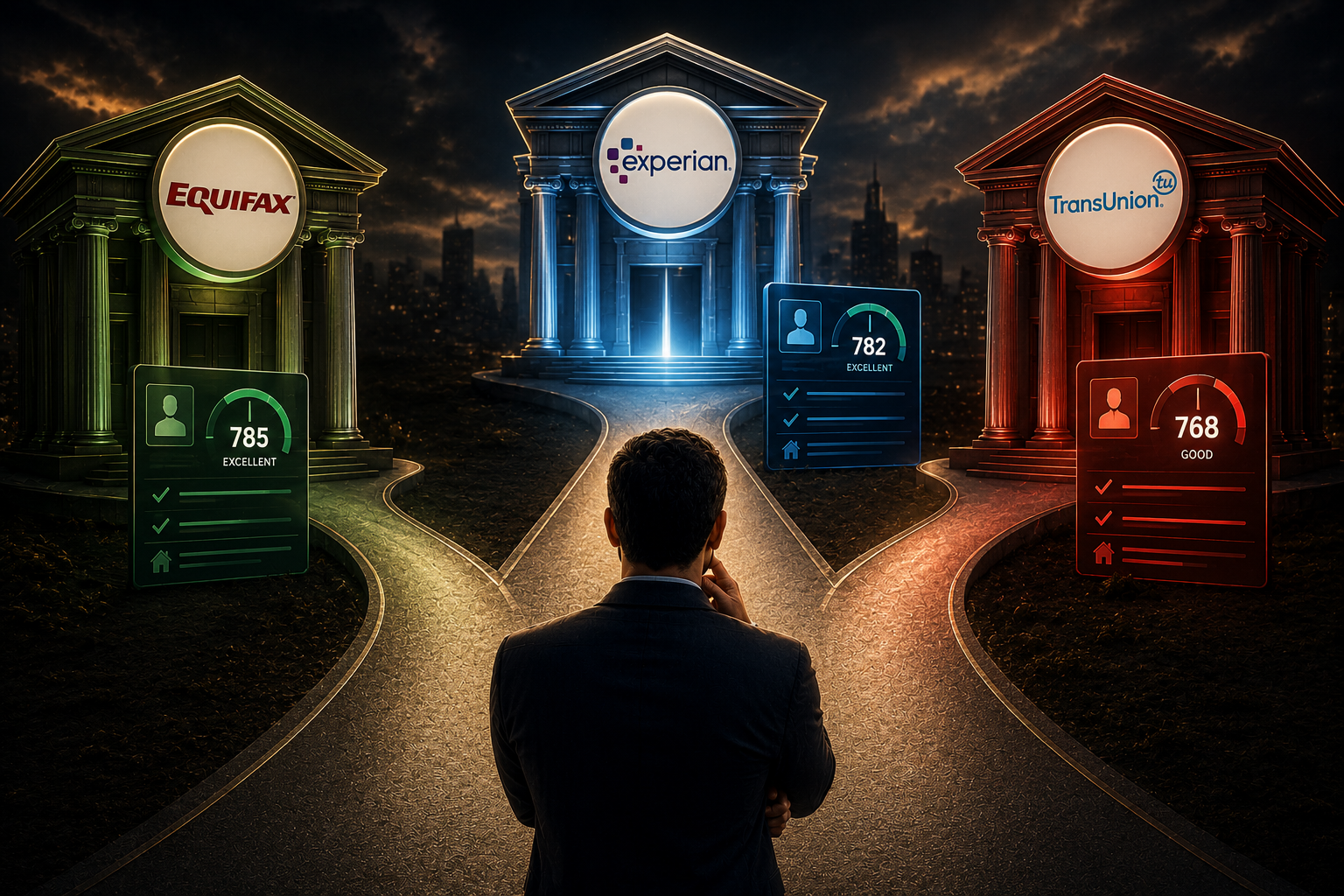
Many people assume there should be only one national credit database. Instead, each bureau operates independently.
Because lenders choose where to report data, one bureau may have information another does not.
For example:
A credit card company might report to Experian and TransUnion only.
A mortgage lender may report to all three.
Some lenders report to just one bureau.
This means your reports can differ slightly.
As a result:
Your credit score may vary by bureau
Errors may appear on only one report
Fraud activity could impact one bureau but not the others
That’s why knowing which bureau to contact matters.
Major Credit Bureau #1: Equifax
Equifax is one of the oldest credit reporting agencies in the U.S. It compiles consumer financial data and creates credit reports used by lenders.
Common reasons people contact Equifax:
Disputing credit report errors
Placing a fraud alert
Freezing credit
Requesting a credit report
Monitoring identity theft concerns
Equifax became widely known after a major data breach in 2017 that affected millions of consumers. Since then, consumers have become more proactive about monitoring their reports.
Major Credit Bureau #2: Experian
Experian is one of the largest credit reporting agencies globally and offers several consumer services beyond credit reporting.
People often contact Experian for:
Credit report disputes
Identity theft assistance
Credit monitoring services
Credit freezes
Credit score tracking
Experian also offers educational tools and consumer products aimed at helping people improve financial literacy.
Major Credit Bureau #3: TransUnion
TransUnion focuses heavily on credit information, identity management, and fraud prevention.
Reasons consumers contact TransUnion include:
Fraud alerts
Credit freezes
Disputing inaccurate accounts
Monitoring suspicious activity
Reviewing credit reports
TransUnion is often used heavily in tenant screening and certain lending industries.
So…Which Credit Bureau Should You Contact?

The answer depends entirely on your situation.
Contact Equifax, Experian, or TransUnion for Credit Report Errors
If you see inaccurate information on a report, contact the bureau displaying the error.
Examples:
Wrong account balance
Accounts that aren't yours
Incorrect late payments
Outdated collection accounts
Important: if an error appears on all three reports, you may need to dispute it with all three.
Contact All Three if You're Concerned About Identity Theft
If your identity may be compromised:
Place fraud alerts
Freeze your credit
Monitor all reports
Identity thieves can exploit differences between bureaus, so protecting only one may leave vulnerabilities.
Contact the Bureau Used by Your Lender
Some lenders rely more heavily on a specific bureau.
For example:
Mortgage lenders often pull multiple reports
Auto lenders may favor one bureau
Credit card issuers vary widely
Ask your lender:
"Which credit bureau do you use?"
This can help you focus your efforts.
How to Check Which Bureau Has Your Information
Consumers are entitled to review their credit reports.
When reviewing reports, compare:
Personal information
Account histories
Credit inquiries
Collection items
Public records
You may discover differences across bureaus.
Signs You Should Contact a Credit Bureau Immediately

Don't wait if you notice:
Unknown accounts
An unfamiliar account could indicate fraud.
Sudden score drops
Large changes deserve investigation.
Collection notices you don't recognize
This could signal reporting errors.
Loan denials
A lender may see negative information you haven't reviewed.
Strange hard inquiries
Unexpected inquiries sometimes indicate unauthorized applications.
Tips for Managing Your Credit Reports
Staying proactive is easier than fixing problems later.
Try these habits:
Review reports regularly
Catch errors before they become major issues.
Freeze credit when not applying for loans
Credit freezes are one of the strongest defenses against fraud.
Dispute inaccuracies quickly
The faster issues are addressed, the easier they can be corrected.
Keep records
Save screenshots, confirmation numbers, and correspondence.
Monitor for identity theft
Early detection matters.
FAQ
1. Do all three credit bureaus have the same score?
No. Scores often vary because lenders may report different information to different bureaus.
2. Which credit bureau is most accurate?
None is automatically more accurate. Accuracy depends on the information lenders report.
3. Can I dispute errors with only one bureau?
Yes, if the error appears on only that bureau's report.
4. Should I freeze all three credit reports?
Yes. Freezing all three offers stronger protection.
5. Which bureau do lenders use most?
There isn't one universal answer. Different lenders use different reporting models.
Final Thoughts

The three major credit bureaus—Equifax, Experian, and TransUnion—each play an important role in your financial life. But when problems arise, contacting the right one can save you frustration and time.
If you're dealing with a reporting error, contact the bureau showing the issue. If you're facing potential identity theft or fraud concerns, involve all three.
Understanding your credit reports isn't just about borrowing money—it's about protecting your financial future.