Why You Should Put God in Your Finances: 7 Biblical Reasons Faith Changes Your Financial Life

Money touches nearly every part of life. It affects our decisions, relationships, stress levels, dreams, and even our future. Yet for many people, finances are treated as a separate category—something practical and disconnected from faith. But is that really how life was designed to work?
The truth is, the Bible speaks extensively about money. In fact, Scripture contains thousands of verses related to finances, possessions, generosity, stewardship, and wealth. Why? Because money often reveals what matters most to us.
Putting God in your finances isn't simply about giving money at church or praying over your paycheck. It's about recognizing that God has wisdom for every financial decision you make—from budgeting and spending to saving and giving.
Let's dive into seven important biblical reasons why inviting God into your financial life can completely change your perspective.
1. God Owns Everything Anyway

One of the biggest mindset shifts in biblical finances starts with a simple truth: we don't truly own anything.
Psalm 24:1 says:
"The earth is the Lord's, and everything in it."
This verse changes everything. Instead of seeing ourselves as owners, Scripture teaches us to see ourselves as stewards.
Stewardship means managing resources entrusted to us wisely.
Think about it:
Your income
Your home
Your skills
Your opportunities
Your possessions
Everything ultimately comes from God.
When you begin viewing finances through this lens, pressure decreases. You're no longer carrying the burden of absolute ownership. Instead, you're faithfully managing what God has placed in your hands.
2. God Provides Wisdom for Financial Decisions

Let's be honest—financial decisions can feel overwhelming.
Questions pop up constantly:
Should I buy a house now?
Should I invest?
How much debt is too much?
Should I switch careers?
How much should I save?
Without wisdom, emotions often drive financial choices.
Fear says one thing.
Pride says another.
Impulse shouts the loudest.
But God offers wisdom beyond human understanding.
James 1:5 reminds us:
"If any of you lacks wisdom, you should ask God, who gives generously to all."
Putting God in your finances means seeking Him before making major money decisions.
Prayer doesn't replace practical planning. Instead, it adds divine guidance to wise action.5
3. Putting God First Helps Defeat Financial Anxiety

Money stress is everywhere.
According to numerous studies, finances consistently rank among the leading causes of stress for individuals and families.
People worry about:
Paying bills
Unexpected emergencies
Debt
Retirement
Inflation
Job security
Sound familiar?
Jesus addressed financial worry directly.
Matthew 6:31-33 says:
"So do not worry... seek first His kingdom and His righteousness, and all these things will be given to you as well."
This doesn't mean believers never experience financial hardship.
Rather, it means trust replaces panic.
Putting God in your finances creates a foundation of peace because your hope shifts from money itself to the One who provides.
And that changes everything.
4. Biblical Principles Encourage Healthy Financial Habits

God's instructions aren't random rules.
They're wisdom.
Throughout Scripture we find practical financial principles that still apply today.
Examples include:
Work diligently
Proverbs repeatedly praises hard work and warns against laziness.
Avoid unnecessary debt
Proverbs 22:7 says:
"The borrower is slave to the lender."
Save wisely
Joseph stored resources during years of abundance to prepare for future famine.
Live within your means
Contentment protects against endless spending and comparison.
Practice generosity
Giving develops trust and breaks greed.
Funny enough, many modern financial experts teach principles rooted in biblical wisdom—even if they don't realize it.
Putting God in your finances often leads to healthier money habits.
5. Generosity Changes Your Heart
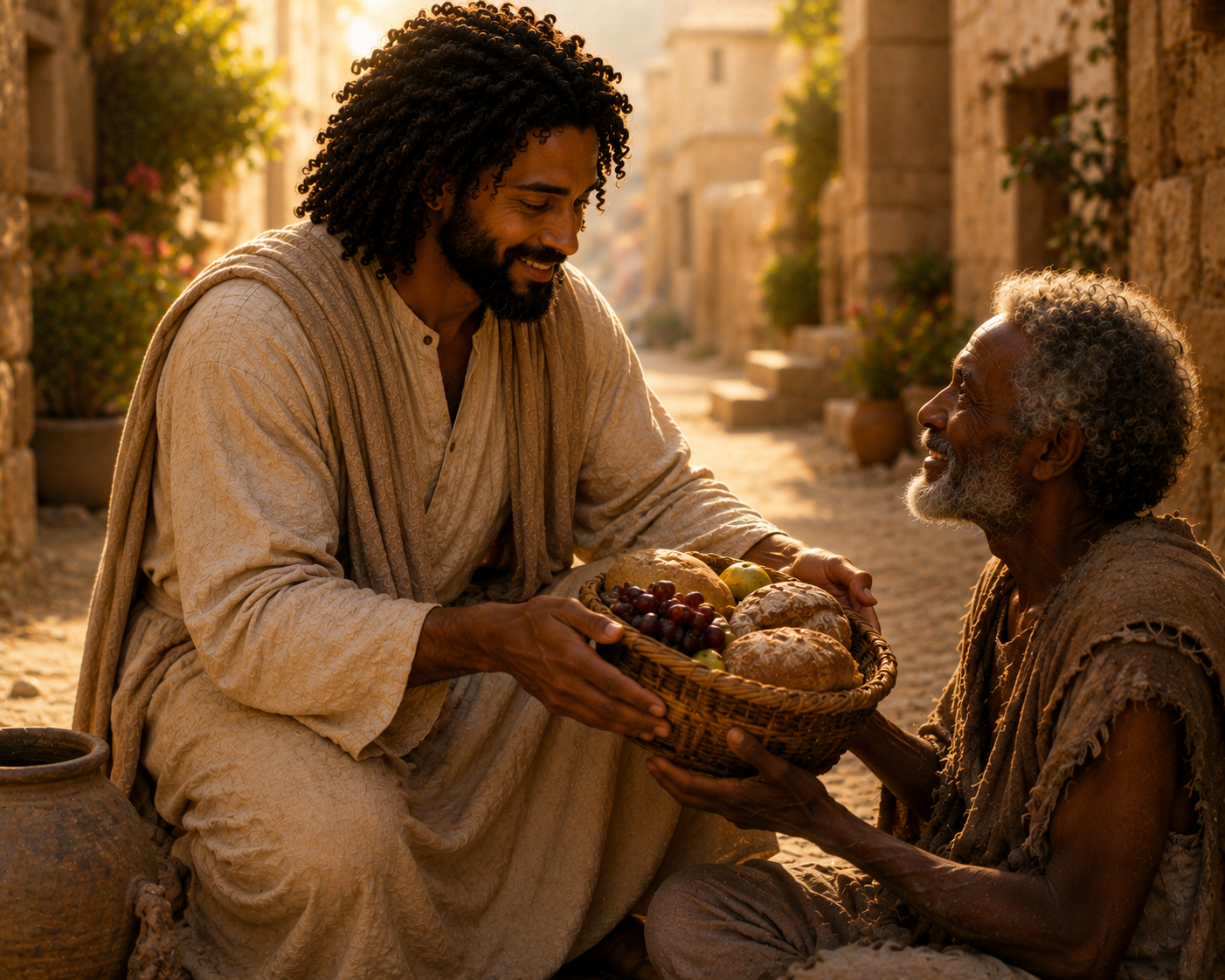
Money has a sneaky way of becoming an idol.
Without realizing it, people begin placing security, identity, and happiness in financial success.
That's why generosity matters.
Giving reminds us that money is a tool—not our master.
Acts 20:35 says:
"It is more blessed to give than to receive."
Generosity doesn't just help others.
It changes us.
Benefits of generosity include:
Increased gratitude
Reduced greed
Greater compassion
More contentment
Stronger faith
When God becomes central in your finances, giving shifts from obligation to opportunity.
6. God Cares About Your Character More Than Your Bank Account

Society often measures success with numbers:
Salary
Investments
Property
Net worth
But God's priorities look different.
Scripture repeatedly emphasizes character over wealth.
Proverbs 22:1 says:
"A good name is more desirable than great riches."
That's powerful.
Financial success without integrity eventually collapses.
God isn't against wealth.
Many faithful people in Scripture had resources and influence.
The issue isn't money itself.
It's whether money controls us.
Putting God in your finances helps align financial goals with eternal values.
Questions become:
Am I acting honestly?
Am I honoring God with my choices?
Am I treating others fairly?
Those questions matter far more than account balances.
7. Financial Stewardship Has Eternal Impact

Most people think finances only affect earthly life.
The Bible says otherwise.
How we handle resources often reflects spiritual priorities.
Jesus taught extensively about stewardship because earthly resources can create eternal influence.
Generosity can:
Support ministries
Help people in need
Strengthen communities
Spread hope
Advance God's work
Money becomes more meaningful when connected to purpose.
Instead of asking:
"How much can I keep?"
You begin asking:
"How can I use what God gave me for something bigger?"
That's a completely different perspective.
Practical Ways to Put God in Your Finances

Reading biblical principles is one thing.
Applying them is another.
Here are practical ways to start:
Pray over financial decisions
Invite God into major and minor choices.
Create a budget
A budget isn't restrictive—it's intentional.
Study biblical teachings on money
Scripture offers tremendous wisdom.
Helpful resource:
Practice generosity consistently
Start where you are.
Small acts matter.
Avoid comparison
Social media often fuels unhealthy financial pressure.
Seek wise counsel
Proverbs repeatedly praises seeking advice.
Trusted mentors can help.
Common Misunderstandings About Putting God in Your Finances

Let's clear up a few myths.
Myth #1: Faith guarantees wealth
Not true.
God never promises every believer financial abundance.
Myth #2: Money is evil
The Bible says:
"The love of money is the root of all kinds of evil."
—1 Timothy 6:10
Money itself isn't the issue.
Attachment is.
Myth #3: Only wealthy people need financial stewardship
Everyone manages resources at some level
Stewardship applies whether you have little or much.
Frequently Asked Questions
Does God really care about my finances?
Yes. Scripture addresses money and stewardship extensively because finances affect many areas of life.
What does it mean to put God first financially?
It means seeking God's wisdom, honoring biblical principles, practicing generosity, and recognizing Him as the source of all blessings.
Does trusting God mean I shouldn't budget?
Not at all. Faith and planning work together. Wise stewardship includes responsible financial management.
Can God help me during financial struggles?
Many people find comfort, guidance, and peace through prayer and biblical wisdom during difficult financial seasons.
Is giving only about money?
No. Generosity can include time, talents, encouragement, and resources.
Final Thoughts: Faith and Finances Work Better Together
Money can be a blessing, a burden, or a distraction depending on how we view it.
Putting God in your finances doesn't mean you'll never face challenges. It doesn't guarantee instant prosperity or remove every financial obstacle.
What it does provide is wisdom, peace, purpose, and perspective.
When faith enters your finances, money stops being just numbers on a screen.
It becomes part of a bigger story.
One where trust replaces fear.
One where stewardship replaces ownership.
And one where God's guidance shapes not only your bank account—but your heart too.
For more biblical study resources, visit:
https://www.bibleproject.com
Because at the end of the day, finances aren't just about money.
They're about who you trust with your life.